Security / Reliability / Transparency
Joy Services Trust Center provides a consolidated view of how we approach service reliability, operational security, infrastructure integrity, customer data handling, access control, service continuity, and platform transparency. This page is intended to help customers, partners, and enterprise buyers understand the principles, safeguards, and operational practices that support our cloud and infrastructure services.
We believe trust is earned through architecture, discipline, response readiness, communication, and continuous improvement. For that reason, our trust framework is not limited to a single policy. It reflects how we design and operate infrastructure, how we manage access, how we reduce risk, how we respond to incidents, and how we maintain customer confidence over time.
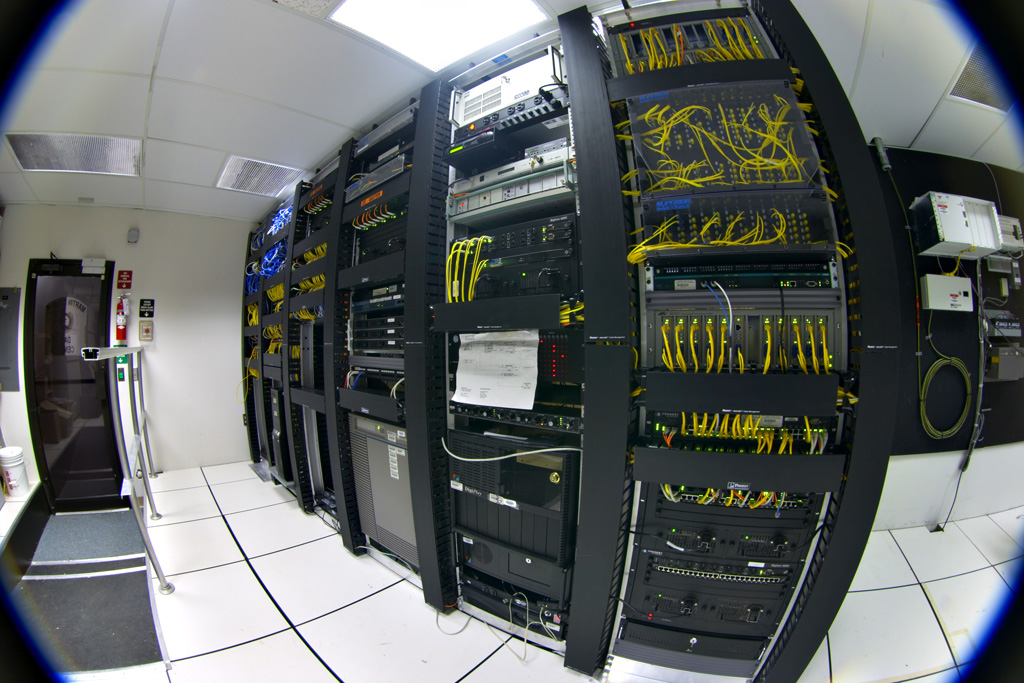
Trust Overview
Joy Services operates with a focus on infrastructure stability, operational visibility, service continuity, and customer confidence. We recognize that trust in a cloud and network provider depends on more than service availability. It also depends on the controls behind the platform, the maturity of internal processes, the handling of incidents, and the consistency of service management across live environments.
Infrastructure, access, and platform protection supported through layered controls, visibility, and operational review.
Service continuity is supported through operational monitoring, replacement procedures, redundancy practices, and controlled maintenance.
We aim to communicate clearly around incidents, maintenance impact, platform expectations, and service-affecting events.
Internal procedures are designed to reduce unnecessary risk and maintain a more disciplined production environment.
Infrastructure Security
Joy Services designs and operates infrastructure with attention to service isolation, network visibility, controlled routing, monitored components, and operational review. Our infrastructure approach is intended to support secure delivery across compute, storage, network, and service management layers. We continuously evaluate platform conditions and operational signals to reduce avoidable disruption and improve confidence in live service environments.
Security at the infrastructure level includes the way systems are deployed, how access is limited, how changes are controlled, how service integrity is observed, and how incidents are escalated. Rather than relying on a single protective measure, our approach depends on layered operational practices across physical, virtual, and network-facing systems.
Depending on the product and environment, security measures may include restricted administrative access, segmented infrastructure logic, traffic control practices, system hardening, monitoring, replacement pathways, and platform-level review when instability or abnormal behavior is detected.
Access Control
Access to operational systems is handled according to business need, service role, and technical function. Administrative actions are limited to authorized personnel involved in infrastructure management, incident response, support operations, or controlled service maintenance.
We seek to minimize unnecessary exposure to customer environments and limit operational access to cases where service support, recovery, maintenance, abuse handling, or security review requires intervention. Internal handling standards are intended to reduce accidental disruption and preserve service integrity.
Where managed access or support scope applies, actions are handled according to the relevant service relationship, and customer cooperation may be requested where direct service changes or validation are necessary.
Privacy & Data Handling
Joy Services understands that trust also depends on how customer information, account records, service metadata, support communications, and operational data are handled. We aim to process service-related information only to the extent necessary for service delivery, billing, support, platform stability, legal obligations, abuse response, and business operations connected to the active service.
Data handling practices may vary depending on service type, deployment model, support scope, jurisdiction, and customer relationship. However, our baseline intent is to reduce unnecessary exposure, limit operational use to legitimate service purposes, and maintain a professional standard in how customer-facing data is treated within the business.
Customers should also review the applicable Privacy Policy, Terms of Service, and service-specific agreements for additional detail regarding storage, retention, service records, support interaction data, and other product-dependent handling terms.
Operational Use
Service information may be processed for delivery, support, maintenance, provisioning, security review, and service continuity.
Access Limitation
We aim to restrict data exposure to relevant personnel and valid operational need.
Policy Alignment
Customer assurance is supported across privacy, terms, support, replacement, and service management practices.
Availability & Continuity
We design our service operations with continuity in mind. This includes ongoing infrastructure review, diagnostic workflows, monitored environments, and practical replacement or migration paths when service integrity is materially affected. While no infrastructure environment can promise zero risk or zero interruption in every circumstance, our operational objective is to reduce avoidable downtime and restore stability as efficiently as reasonably possible.
Continuity mechanisms may include infrastructure redundancy where available, backup handling, alternate resource paths, component replacement procedures, service migration decisions, and incident-led remediation according to the affected service. The exact continuity path depends on the product architecture and the severity of the event.
Backup & Recovery
Backup and recovery readiness play an important role in trust and service resilience. Depending on the purchased service and the applicable product design, Joy Services may operate backup, restore, or disaster recovery mechanisms intended to support recovery from infrastructure events, corruption scenarios, or service-side failures.
Customers should not assume that every environment is automatically protected by the same backup scope unless that protection is part of the purchased service. Customers remain encouraged to maintain their own application-consistent backups, exports, off-platform copies, and recovery planning where business continuity is critical.
Incident Handling
Infrastructure and service conditions are reviewed through monitoring, operational checks, customer reports, and event-driven investigation.
Events are reviewed to understand scope, affected services, root cause direction, severity, and the most appropriate corrective path.
Response may include repair, traffic controls, component replacement, migration, restore, escalation, or controlled maintenance.
Where appropriate, customers are informed about major service-affecting events, maintenance impact, or relevant resolution progress.
Incident response is not limited to one playbook. The practical handling path depends on the nature of the event, the service affected, whether the issue is hardware, software, network, or platform-related, and what action is safest for customer continuity. We aim to take measured action that restores service while minimizing additional production risk.
Compliance Direction
Trust is supported not only through operational practice, but also through clear governance documents and internal standards. Joy Services maintains service-facing policies and operating frameworks intended to define expectations around privacy, terms of use, security, replacement, support interaction, and related customer assurance areas.
As the business grows, these controls and policy structures may be reviewed and expanded to align with stronger enterprise expectations, broader internal processes, and future compliance objectives. Where formal attestations, certifications, or structured audits are available, they may be referenced separately through the appropriate business channel.
Change Management
Infrastructure change can affect trust just as much as security incidents can. For that reason, production-affecting actions are approached carefully and with attention to service impact, rollback thinking, customer effect, and environment stability.
Change paths may include upgrades, migrations, replacements, network adjustments, platform tuning, service movement, or configuration correction. The exact process depends on the service and environment, but the objective remains consistent: reduce avoidable disruption and preserve production quality wherever possible.
Monitoring
Monitoring and operational visibility support faster detection of abnormalities, better service review, and improved confidence in production health.
Support
Customers can report issues, raise service concerns, and request investigation through formal support channels aligned to their service relationship.
Improvement
We continue improving internal workflows, operational maturity, and service standards as the platform and customer base grow.
Trust Contact
Customers, partners, procurement teams, and enterprise buyers who need additional trust-related information may contact Joy Services through the official contact or support channel. Depending on the request, discussions may cover security posture, service reliability, privacy alignment, data handling expectations, infrastructure protection, replacement practices, or service continuity approach.
If you are reviewing Joy Services as a vendor, enterprise infrastructure partner, or long-term platform provider, we recommend including the relevant service scope, business use case, and assurance topics in your message so our team can respond with more useful direction.